

Festive earnings boom raises January debt risk for young South Africans
Johannesburg - Festive income can leave young South Africans exposed to debt in January, and consumers are encouraged to take precautions when spending. As thousands receive December bonuses and take on seasonal jobs, vacation work and side hustles, the decisions they make in December could determine whether they start 2027 financially secure or under financial pressure.
Nthabiseng Manamela, Executive Head of Strategy and Growth at FNB and WesBank, says, "While festive income may rise, so do the risks of overspending. This is particularly true for students and young adults who rely on earnings from seasonal jobs and vacation work to cover January's unavoidable costs, including transport, accommodation, stationery, registration fees, groceries, debt repayments and other back-to-school or back-to-work expenses. It is therefore important to be financially savvy and take a forward-looking approach to managing your finances."
"The festive season presents a valuable opportunity for young South Africans to improve their financial position, but it also comes with the temptation to spend more than planned. Many young people are earning additional income through seasonal employment, side hustles and vocational work. The real opportunity is not only in how much they earn, but in how much of that income they can preserve for the financial demands that arrive in January," adds Manamela.
Consumers continue to face rising living costs, and for many young South Africans, transport, groceries, accommodation and connectivity already consume a significant portion of their monthly income. While December is traditionally associated with celebration, travel and increased spending, it should also be treated as a critical financial planning period, because small, impulsive purchases can quickly accumulate and reduce the funds needed for important expenses just a few weeks later. The risk is greater for young people earning through trades and vocational work. A hairstylist managing increased client demand or an entrepreneur selling products at holiday markets may enjoy stronger cash flow in December, but that income often has to cover both personal expenses and business costs well into the new year.
Young people should treat seasonal income like a salary and allocate funds to future obligations before spending on discretionary purchases. Setting money aside for January's necessities, including education-related costs, transport and essential living expenses, helps prevent dependence on credit or financial assistance later. A practical approach is to work backwards from January: list the costs you know are coming, such as transport, registration fees, stationery and debt repayments, set that amount aside as soon as each payment arrives, and only then budget for festive spending.
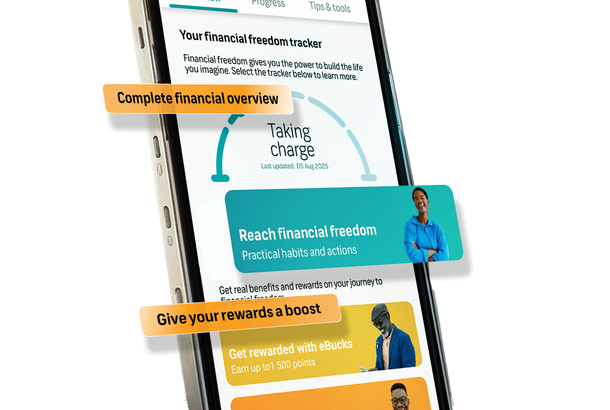
FNB encourages young customers to put this advice into practice with nav» Money on the FNB App, which helps them track spending, set budgets and establish savings goals. Through nav» Youth, they can also access tools and guidance to manage income, build healthy financial habits and prepare for future opportunities.
Manamela adds that while December may be the season of rewards, young people should remember that their money still has responsibilities beyond the holidays.
"Every rand earned in December should have a purpose. The goal is not to avoid enjoying the festive season, but to ensure that January's essentials are already covered. The most rewarding start to the new year is one that begins without financial stress."








 Banking Biz proudly displays the "FAIR" stamp of the Press Council of South Africa, indicating our commitment to adhere to the Code of Ethics for Print and online media which prescribes that our reportage is truthful, accurate and fair. Should you wish to lodge a complaint about our news coverage, please lodge a complaint on the Press Council's website, www.presscouncil.org.za or email the complaint to enquiries@ombudsman.org.za. Contact the Press Council on 011 4843612.
Leave a Reply