

Family responsibilities don't end at retirement. A Will can help protect those who depend on you
Who depends on you financially, and what would happen to them if you passed away? This question connects retirement planning with estate planning, particularly for South Africans whose support for children, grandchildren or extended family continues throughout their lives.
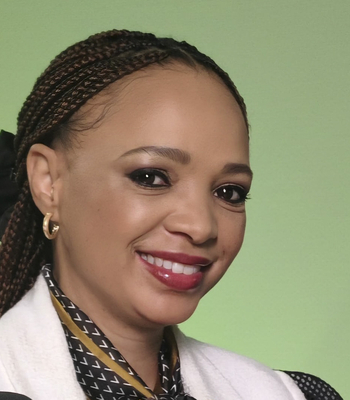
"A Will is relevant to anyone with assets or people they want to provide for, regardless of their age or income," says Carin Meyer, Product Head for Wills at FNB Fiduciary. "You do not need a large investment portfolio for your wishes to matter. A home, savings or possessions may represent years of work and have considerable significance for the people you leave behind."
This is particularly relevant at a time when many South Africans continue to balance financial responsibilities well into retirement. The FNB Retirement Insights Survey 2026 shows how financial pressures can persist after retirement. Among retirees surveyed, 74% indicated that their cost of living in retirement was higher than expected, while 46% reported that healthcare costs had exceeded their expectations. More than a third said retirement had been more challenging than anticipated.
These findings provide context for estate planning, rather than a measure of whether respondents have valid Wills. Higher expenses and continuing family responsibilities can change the resources available to a household and the provision someone hopes to make for dependants.
FNB findings add that over the past five years, the bank has seen steady year on year growth in the number of Wills drafted through its platforms, with the majority of clients still not having a valid Will in place. The average age at which customers first draft a Will is 47, and most customers update their Wills only once every seven to ten years, if at all. The most common life events that prompt a first Will or an update are marriage, the birth of a child, divorce and the death of a parent. Among estates administered by FNB, a meaningful proportion involve minor children, and a growing number involve trusts. Common errors found in Wills include outdated beneficiary nominations, missing signatures and Wills that have not been reviewed after a major life event.
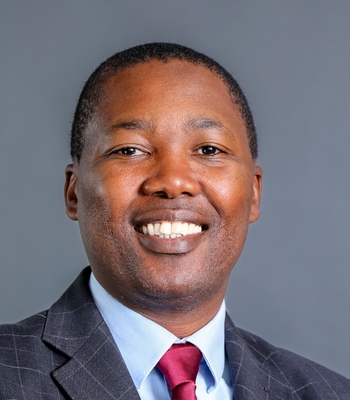
"Retirement does not necessarily mean that your family stops relying on you," says Renee Coughlan, Product Portfolio Manager at FNB Wealth and Investments. "If you are helping to pay a grandchild's school fees or supporting an adult child, those commitments affect your financial plan. It is important to consider how that support would be affected by your death, alongside whether your retirement income meets your own as potentially other dependents needs as well."
Consider, a retired parent who owns a home and helps support their children from a monthly income. Leaving the home to those children may express an important wish, but it does not, on its own, answer how they would manage the loss of financial support or how the estate would meet its obligations.
"An estate can contain valuable assets without having enough readily available cash to cover debts and administration costs," says Meyer. "Estate planning should consider both who will inherit and how the estate will be administered. Reviewing liquidity and choosing an appropriate executor helps turn intentions into practical arrangements."
A valid Will sets out how a person wants their estate to be distributed and allows them to nominate an executor. Without a valid Will, the rules of intestate succession determine the distribution, which may differ from what the deceased would have chosen. The absence of documented wishes can also add uncertainty and administrative complexity for a grieving family. In practice, this can mean a surviving partner is not provided for, a family home must be sold to cover debts, or minor children's inheritances are tied up in administration for months.
Having a Will does not eliminate estate administration or guarantee immediate access to an inheritance. Its value lies in providing instructions within the legal framework, supported by planning that considers the estate's obligations and beneficiaries' needs.
For younger families, the questions may be different but equally pressing. A couple buying their first home and welcoming a child, for instance, needs to consider more than property ownership. Guardianship provisions, arrangements for a minor child's inheritance and appropriate life cover should also form part of the advice conversation.
"Drafting a Will is an opportunity to make decisions that families might otherwise have to navigate without clear guidance," says Meyer. "It should also be reviewed as life changes. Marriage, the birth of a child, divorce or a death in the family can all affect whether your existing arrangements still reflect your wishes."
For business owners, that conversation also needs to address ownership succession and continuity for employees, partners and family members who depend on the business. Building wealth and transferring wealth are two different disciplines, and both require intentional planning. While retirement planning focuses on accumulating and preserving assets, estate planning ensures those assets are transferred efficiently and according to your wishes. A critical consideration is liquidity planning to fund these needs during the estate wind up process.
FNB offers Will drafting, executorship and estate administration services alongside its broader financial advice offering. South Africans are encouraged to speak to their FNB adviser or visit fnb.co.za to draft or review their Wills and discuss the arrangements supporting them.







 Banking Biz proudly displays the "FAIR" stamp of the Press Council of South Africa, indicating our commitment to adhere to the Code of Ethics for Print and online media which prescribes that our reportage is truthful, accurate and fair. Should you wish to lodge a complaint about our news coverage, please lodge a complaint on the Press Council's website, www.presscouncil.org.za or email the complaint to enquiries@ombudsman.org.za. Contact the Press Council on 011 4843612.
Leave a Reply